


What if your solar system could power your home even after the sun goes down or during a blackout?
That is exactly why solar battery storage is becoming the new standard in 2026. Homeowners today want more than just lower electricity bills. They want backup power and energy independence and better control over how they use electricity every day.
A modern solar and storage system enables homes to generate solar energy during the day and store excess power for later use. Instead of relying completely on the grid, homeowners can use stored energy at night or during outages.
In this guide, we will break down why storage is growing so fast and whether adding a battery system is the right move for homeowners in 2026.
There are several reasons why homeowners are choosing solar battery storage systems in 2026. And honestly most of them come down to one simple thing which is energy control.
People want more control over how they use electricity and when they use it and how much they pay for it.
Utility rates have gone up in many places and homeowners are feeling the impact every month. Solar panels already help reduce electricity bills but batteries make those savings even better.
Instead of sending extra solar energy back to the grid homeowners can store that energy and use it later at night when electricity rates are usually higher.
That means more savings and less dependence on utility companies.
Another major reason behind the growth of home battery backup solar systems is grid reliability.
Storms and extreme heat and aging infrastructure are causing more outages in many areas. Homeowners do not want to sit in the dark waiting for the power to come back.
With battery storage, important appliances can continue running even during a blackout.
That includes things like:
For many families, this peace of mind alone makes storage worth considering.
In the past, homeowners could send extra solar energy to the grid and receive strong credits in return. But many utility providers are reducing those benefits.
Because of this, homeowners are now realizing that storing their own solar energy makes more financial sense than exporting it to the grid for lower credits.
Battery systems in 2026 are far better than earlier versions.
Modern batteries are more efficient and last longer and come with smart monitoring features that make energy management much easier.
This has made the overall value of a solar + storage system much stronger than before.
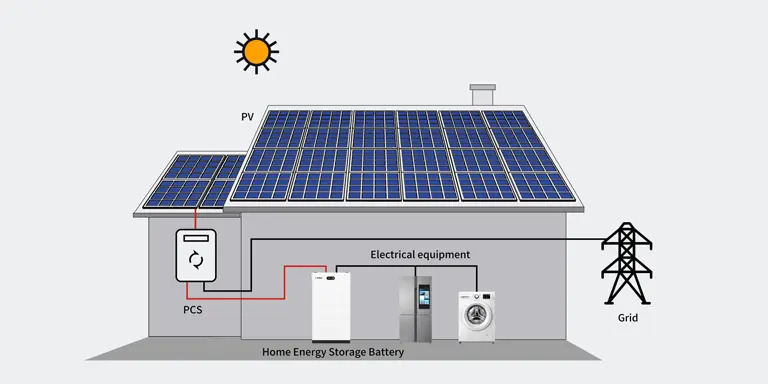
A solar + storage system combines solar panels with a battery so homeowners can both generate and store electricity.
The process is actually pretty simple.
Here is how it works:
This setup allows homeowners to use more of their own solar energy instead of relying heavily on the utility grid.
And because electricity rates are often higher at night, this setup can lead to better savings over time.
%20(1).png)
A few years ago, batteries were considered an optional upgrade. Today, many homeowners see them as an essential part of a residential solar system.
One of the biggest advantages of home battery backup solar systems is reliable backup power.
Traditional solar systems without storage usually shut down during outages for safety reasons. But systems with batteries can continue powering important household devices.
This is especially helpful for families living in areas with unreliable grids or frequent storms.
Many homeowners simply want more energy independence.
Instead of depending completely on utility companies, they want the ability to produce and store their own electricity.
Battery storage helps make that possible.
Storage also gives homeowners flexibility.
For example, they can store solar energy during the daytime and use it later during expensive peak evening hours.
That means lower electricity costs and smarter energy usage.
Electric vehicles, smart homes and home electrification are becoming more common every year.
Battery storage helps homeowners prepare for growing energy needs in the future.
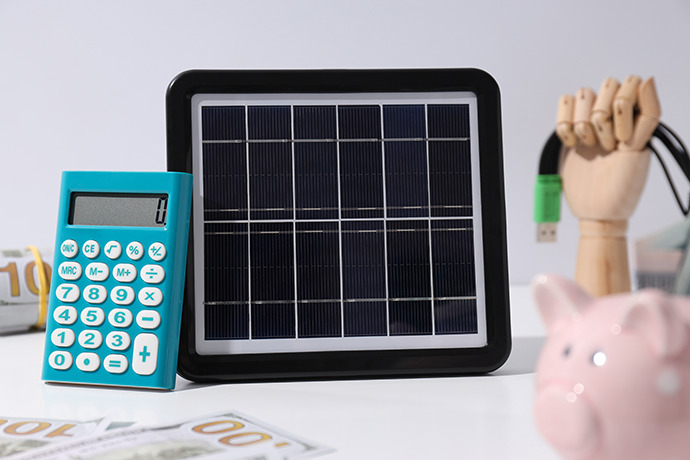
One of the first things homeowners ask about is solar battery cost.
The truth is battery pricing depends on several different factors and there is no one-size-fits-all answer.
Some of the biggest factors include:
Homes with higher electricity usage usually require larger batteries which increases costs.
At the same time, homeowners who want a whole home backup need more storage capacity compared to those who only want to power essential appliances.
Even though batteries increase the upfront project cost, many homeowners still see them as a smart long-term investment.
That is because storage provides benefits beyond monthly bill savings.
For many people, the value comes from:
So while solar battery cost is important, it is not the only factor homeowners consider anymore.
So, is a solar battery worth it?
For many homes, the answer is increasingly yes.
Battery systems are especially useful when:
In these situations, storage can provide both financial and practical benefits.
A lot of people focus only on financial payback. But batteries also provide convenience and reliability which are difficult to measure in dollars alone.
For example, having backup power during an outage can make a huge difference for families working from home or relying on medical equipment.
That is one reason why more homeowners now view storage as part of long-term energy security.
Understanding solar with battery vs without storage is important before choosing a system. While both options help reduce electricity bills, the overall experience and long term benefits can be very different.
Traditional solar systems work well during the daytime and are usually more affordable upfront. However, systems with battery storage offer added flexibility and backup power which many homeowners now consider essential in 2026.
Here is a simple comparison to understand the difference better:
.jpg)
As battery adoption grows, proper solar storage system design is becoming much more important.
Designing a modern solar system is no longer just about placing panels on a roof.
Now installers also need to think about:
A poorly planned system may not deliver the expected savings or backup performance.
Some households use most of their electricity during the daytime while others consume more energy at night.
Understanding these usage patterns helps installers recommend the right battery size and setup.
Many homeowners assume larger batteries are automatically better. But oversized systems can increase project costs unnecessarily.
A good solar storage system design focuses on balancing performance and cost.
Modern battery systems often include intelligent software that automatically manages charging and discharging.
This helps maximize efficiency and improve long-term savings.
As solar projects become more advanced, installers are relying more on software tools to improve planning and accuracy.
Modern solar design software helps analyze:
This creates faster workflows and more accurate proposals for homeowners.
It also helps customers better understand how their solar + storage system will actually perform in real life.
Battery adoption is changing the way homeowners think about solar.
In the past, most people focused only on reducing utility bills. Now they also care about energy reliability and flexibility.
As net metering incentives decrease, homeowners are trying to maximize self-consumption.
That means using more solar energy directly inside the home instead of exporting it to the grid.
Many utility companies charge higher rates during evening hours.
Battery storage allows homeowners to avoid these expensive periods by using stored solar energy instead.
More homeowners are thinking long term.
A properly designed home battery backup solar system helps protect against rising utility prices while improving energy independence.
As the market grows, homeowners should focus on systems that offer:
The best systems are designed not only for today but also for future energy needs.
Q. 1 Is a solar battery worth it for every homeowner?
Ans. Not always but it can be extremely valuable for homes with high electricity bills or frequent outages or limited net metering incentives.
Q. 2 What affects solar battery cost the most?
Ans. Battery size and backup requirements and installation complexity are some of the biggest factors affecting overall cost.
Q. 3 How long can a home battery backup solar system power a house?
Ans. It depends on battery capacity and household energy usage. Some systems can power essential appliances for several hours while larger systems may last much longer.
Q. 4 What is the biggest difference in solar with battery vs without systems?
Ans. Systems with batteries can store extra solar energy for later use and provide backup power during outages while traditional solar systems cannot.
Q. 5 Why is solar storage system design important?
Ans. Proper design helps ensure the system matches household energy needs while maximizing efficiency and long-term savings.
Q. 6 Can battery storage reduce electricity bills?
Ans. Yes. Batteries can reduce grid dependence and help homeowners avoid expensive peak electricity rates.
.png)
Residential solar in 2026 is about much more than daytime electricity savings. Homeowners now want smarter and more reliable energy systems that provide both savings and security.
A well planned solar + storage system gives homeowners better control over electricity usage while improving backup reliability and long term energy independence.
As battery adoption continues to grow, proper planning and accurate system sizing will become even more important. Advanced platforms like ARKA 360 help installers simplify modern project planning with intelligent solar design software and proposal tools built for the future of residential solar.

