


Solar panels have been around long enough now that we are no longer guessing how they age. In 2026 we are sitting on more than two decades of real installations across homes, factories, solar farms and rooftops in every climate you can imagine.
If you are a homeowner planning a long term investment or a solar professional advising customers this topic matters more than panel wattage or shiny new tech. What truly determines value is how a system performs year after year.
So let us talk honestly and simply about solar panel degradation and what the data from the real world actually shows after ten to fifteen years.
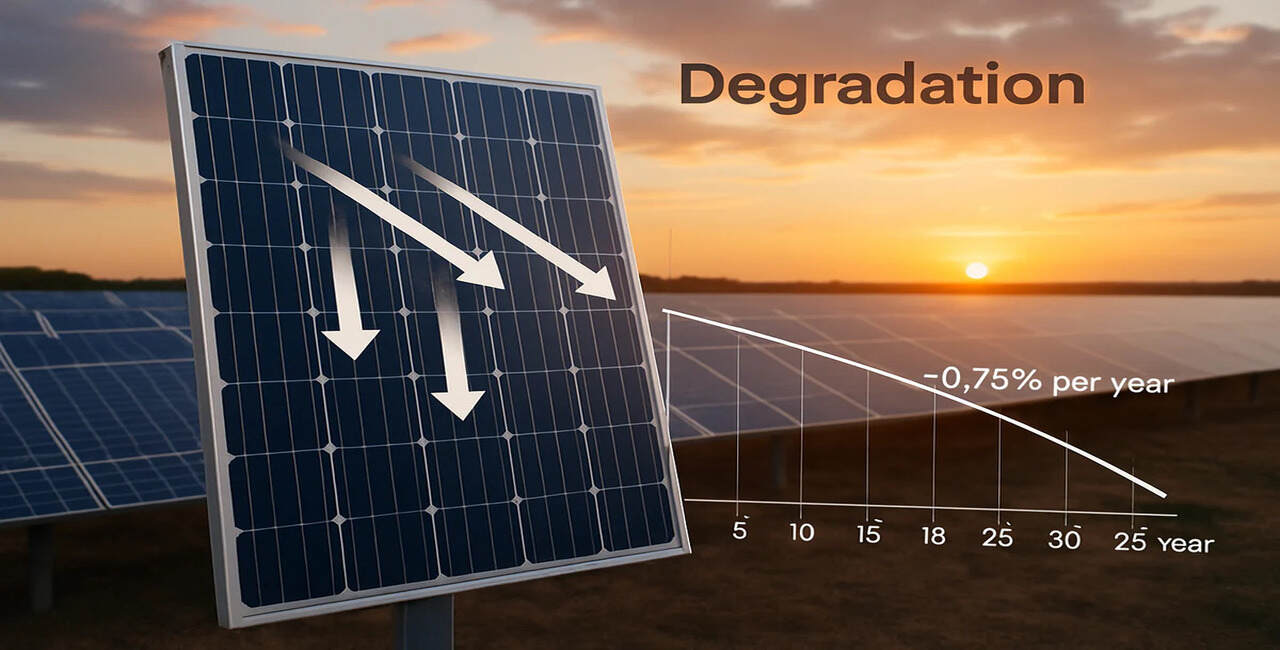
Before we get into numbers, let us clear up what degradation actually is. Solar panel degradation refers to the slow reduction in a panel’s ability to produce electricity as it ages. Panels do not suddenly stop working. Instead they lose a small amount of output each year and this loss adds up over time.
This gradual drop is measured as the solar panel degradation rate and it tells us how much efficiency is lost annually. Think of it like tire wear on a car. You still drive just fine for years but performance slowly changes.
Understanding degradation is essential to understanding solar panel performance over time because energy production in year one is never the same as energy production in year fifteen.
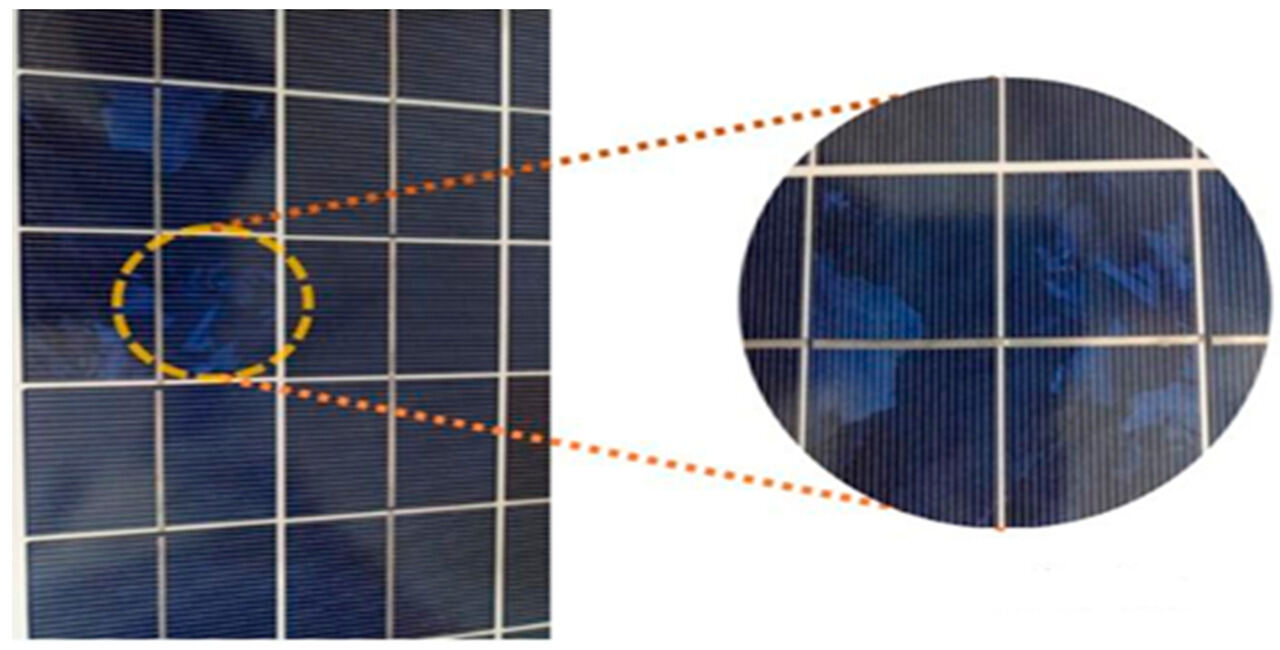
Solar panels are installed outdoors and that alone explains a lot. Every day they deal with sunlight, heat, cold, moisture, dust and pollution. Over time these elements cause tiny physical and electrical changes inside the panel.
Some of the most common reasons degradation occurs include
None of this means panels are fragile. It simply means physics applies even to durable technology.
For many years degradation numbers were based largely on manufacturer testing. Panels were exposed to accelerated aging in labs and results were projected over decades. Those tests were useful but limited.
Early assumptions often suggested higher degradation because there was little real field data. Many buyers were told panels might lose one percent or more every year.
Fast forward to 2026 and we now know that was overly pessimistic.
Thanks to thousands of long-running installations across continents, we now have accurate data on the real degradation rate of solar panels and it turns out modern panels age far better than expected.
Let us get to the numbers everyone cares about.
Across large scale studies from residential rooftops, commercial buildings and utility solar farms, most modern panels show an average annual solar degradation rate between 0.3 percent and 0.6 percent.
That means after ten years most panels are still producing around 94 to 97% of their original output. After fifteen years many systems are still above 90 percent.
This real world performance is significantly better than early projections and it strongly supports confidence in long term PV performance.
Not all panels age the same and this is important. Panels installed fifteen years ago are not the same as panels installed today.
Older panels often used earlier cell technologies, less advanced encapsulation and lower quality backsheets. Even then many are still running well.
Modern panels benefit from:
As a result newer systems show even lower degradation trends. This is why recent installations are expected to outperform older ones over the same lifespan.
One of the biggest factors affecting degradation is the environment. Panels in mild climates age more gracefully than those in extreme conditions.
For example
That said, even in a harsh climate, modern systems still perform well. The difference is measured in fractions of a percent not dramatic drops.
So when people ask whether solar panels lose efficiency over time, the honest answer is yes but much less than most expect.
.png)
Interestingly, utility scale solar farms often show slightly better degradation results than small residential systems. This is not because the panels are better but because maintenance is more consistent.
Large projects usually have
Residential systems can match this performance when homeowners keep panels clean and ensure periodic inspections.
Sometimes what looks like panel degradation is actually something else.
Inverters typically have shorter lifespans than panels. Wiring connections can loosen. Shading can increase as trees grow. All of these can reduce output but they are not panel degradation.
This is why understanding true solar panel performance over time requires proper system-level monitoring not just production comparisons year to year.
Most manufacturers offer performance warranties guaranteeing 80 to 85 percent output after 25 years. Based on real data many panels are likely to exceed these guarantees.
This gap exists because warranties are designed to be conservative. Manufacturers would rather overdeliver than underperform.
In practical terms this means that the actual solar panel lifespan in terms of useful energy production often goes well beyond warranty periods.
.jpg)
This brings us to the question everyone asks directly. How long do solar panels really last?
Based on current data, many panels continue to produce usable power for 30 years or more. They may not be at peak output but they are far from useless.
Even after 25 to 30 years, many systems still generate enough electricity to justify keeping them in place especially when installation costs are already recovered.
The idea that panels suddenly fail at year twenty-five is simply not true.
From a financial perspective degradation matters less than many fear.
Because energy prices tend to rise over time the value of each unit of electricity produced often increases. That can offset the small decline in output.
Additionally most systems are paid off well before significant degradation occurs. By the time a panel is producing slightly less energy it has already delivered years of savings.
This is why long term financial models now use lower degradation assumptions reflecting real data rather than outdated estimates.
Different panel technologies show slightly different aging patterns.
Monocrystalline panels typically show the lowest degradation rates today. Polycrystalline panels are close behind. Thin film panels vary more depending on the manufacturer and application.
What matters most is not the label but the build quality and installation environment.
One of the biggest advances helping us understand degradation is monitoring software. Millions of systems now report production data daily.
This massive dataset allows analysts to track trends across regions, climates and system sizes. The result is confidence in reported long term PV performance that simply did not exist a decade ago.
Monitoring also helps catch issues early which further protects performance.
Let us clear up a few myths that still circulate.
Panels do not suddenly drop output after a certain year. Degradation is gradual.
Panels do not degrade at the same rate forever. Most experience a slightly higher loss in the first year and then stabilize.
Panels do not become obsolete because of degradation alone. Technology improvements do not make existing systems worthless.
Understanding these points helps set realistic expectations and avoid unnecessary worry.
While you cannot stop time you can reduce unnecessary losses.
Simple actions include
These steps help ensure actual performance stays close to expected performance.
If you are considering solar today the data is very reassuring.
Modern systems degrade slowly and predictably. Performance losses are small and manageable. And real world results consistently beat conservative assumptions.
This makes solar one of the most stable long-term energy investments available.
When buyers ask whether solar panels lose efficiency over time the answer should no longer sound uncertain or vague. We now have proof based on years of operation..
Ans. Yes do solar panels lose efficiency over time but very slowly. Most modern panels lose only about 0.3 to 0.6 percent output per year.
Ans. The real-world solar panel degradation rate averages around 0.4 percent annually which is lower than older estimates and warranty assumptions.
Ans. Solar panels last 30 years or more with panels continuing to produce usable electricity beyond warranties.
Ans. Solar panel performance over time declines gradually so energy savings remain strong, especially after systems are already paid off.
Ans Long-term PV performance depends on climate, installation quality and maintenance rather than panel age alone.
.png)
After reviewing years of real installations, the conclusion is clear. Solar panels age gracefully. The real degradation rate of solar panels is lower than once feared and modern systems deliver reliable output for decades.
The solar panel degradation rate observed in the field supports strong confidence in solar panel lifespan and proves that solar panel performance over time remains robust well beyond ten or fifteen years. When asked how long solar panels really last, the evidence points toward thirty years or more of useful service.
ARKA 360 helps solar businesses model degradation accurately and present realistic projections using modern solar design software that reflects what the data truly shows in the real world.

