


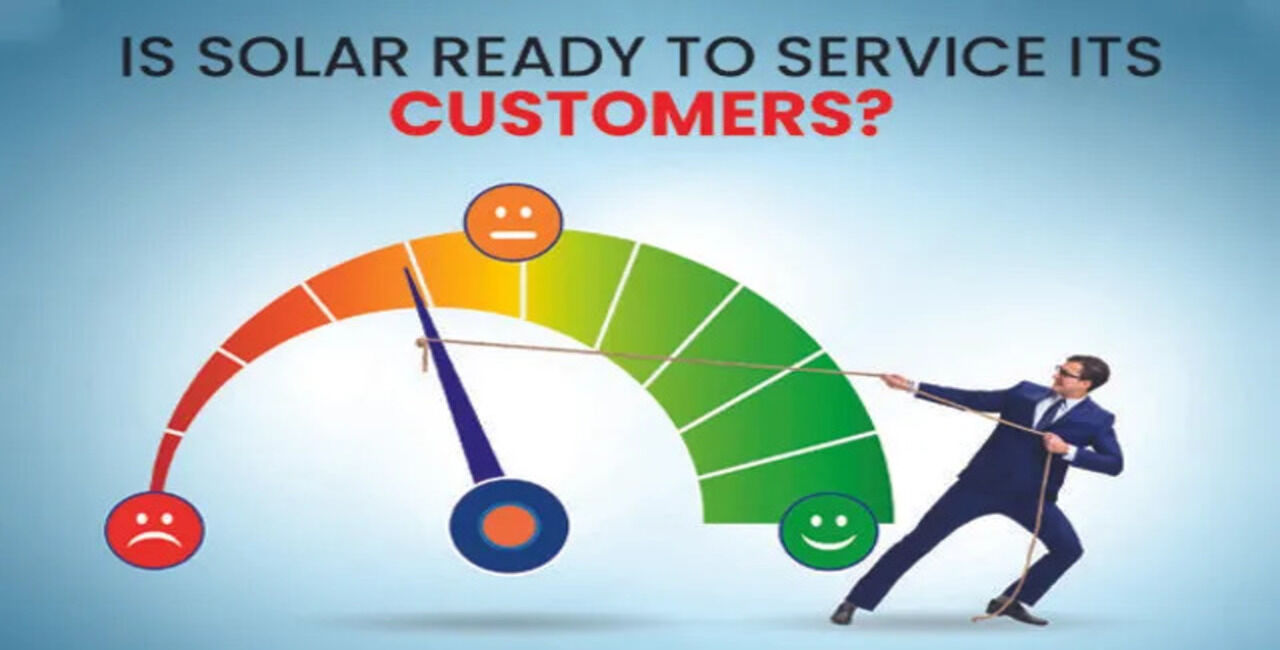
The solar industry is growing fast but customer patience is shrinking even faster. A homeowner who fills out a form today expects a call today. A business owner who asks for pricing wants clear numbers within hours. And if they do not hear back quickly, they move on. That is the reality of modern solar customer expectations.
Solar companies are no longer competing only on price or equipment quality. They are competing on speed and clarity and simplicity. Customers want fast answers and transparent savings and an easy buying journey.
They want to understand what they are paying for and how soon they can get started. And if one company feels slow or complicated, there is always another installer ready to respond more quickly.
So the big question is simple. How are solar businesses adapting to these rising expectations without burning out their teams or compromising quality?
Let us break it down.
Customers today live in an instant world. They can book a cab and track their food delivery and sign documents online within minutes. So when they start exploring solar, they naturally expect the same convenience.
They do not see internal delays. They do not think about design revisions or engineering checks. They simply want answers. They want to know how much they will save and how long the installation will take and whether the system will fit their roof. And they want that information quickly.
This shift has redefined solar customer expectations in several ways. Customers now expect:
However, the real change is emotional. Customers want to feel that their time matters. And when they feel ignored or delayed, they assume the service experience will also be slow later.
In the past, solar companies could take days to prepare a proposal. Customers were willing to wait because solar was still new and choices were limited. But today, customers request quotes from multiple installers at the same time. And the company that responds first usually shapes the conversation.
This is why faster solar sales have become more than just an internal efficiency goal. It is a competitive advantage.
When a company reduces delays, it improves lead conversion and builds trust and increases referral potential. Because customers remember how quickly they were treated.
At the same time speed cannot feel rushed. It must feel organized and professional. So companies are not simply asking teams to work faster. Instead they are redesigning their workflows.
The traditional solar sales process used to involve many manual steps. A lead would come in and then a site visit would be scheduled and measurements would be taken and the design team would prepare layouts and then pricing would be calculated and finally a proposal would be sent. This often took a week or more.
Today, that timeline feels outdated.
Modern solar businesses are simplifying this journey. They are using remote site assessment tools and automated system sizing and integrated pricing systems so that proposals can be generated quickly and accurately.
The goal is simple. Remove friction wherever possible. Because every delay adds risk.
When the solar sales process becomes smoother the entire team benefits. Sales reps close faster and customers decide faster and projects move forward without confusion.
.png)
One of the biggest areas of focus right now is solar proposal turnaround time. Customers want to compare options quickly and they often make decisions within days, not weeks.
So solar companies are shortening proposal timelines by standardizing pricing structures, pre-building system packages and automating savings calculations. Instead of waiting for engineering approval at every step, sales teams are empowered with tools that allow them to create professional proposals on their own.
This change dramatically supports faster solar sales because the sales rep can respond while interest is still high. And when proposals are delivered quickly, customers feel prioritized.
Reducing solar proposal turnaround time also improves internal morale. Teams feel more productive and less stressed because processes are predictable and repeatable.
Speed alone is not enough. Customers also want clarity. Many homeowners exploring solar are unfamiliar with system sizes and inverter types and financing options. So while they want quick responses, they also want simple explanations.
Improving customer experience in solar means communicating in plain language and avoiding unnecessary technical terms. It means showing projected savings clearly and explaining timelines honestly and keeping customers informed at every stage.
When customers understand what is happening, they feel confident. And confidence reduces objections.
Solar businesses are also using digital proposal portals so customers can review designs and savings at their own pace. Because flexibility builds trust. And trust builds long term relationships.

Meeting modern solar customer expectations requires more than software. It requires a mindset change.
Sales teams are now trained to respond to leads within minutes and follow up consistently and simplify complex information. They are encouraged to focus on guidance rather than pressure. Because customers today are informed and they value transparency.
Companies are also encouraging collaboration between sales and design teams. When communication flows internally proposals move faster externally.
Here are some common adjustments companies are making:
These adjustments might seem small but together they dramatically improve faster solar sales and elevate the overall customer experience in solar.
Automation has quietly transformed the industry. It handles repetitive tasks and reduces human error and ensures consistency.
Instead of manually calculating savings each time, systems now update numbers automatically based on system size and electricity rates. Instead of manually sending reminders, the software schedules follow ups automatically.
This allows teams to focus on conversations rather than paperwork.
By automating routine tasks, companies reduce solar proposal turnaround time and strengthen their solar sales process. And because customers receive timely updates, they feel valued.
Another major shift is transparency. Customers today research extensively before contacting a solar company. They compare reviews and pricing models and equipment types.
So, solar businesses are being more open about timelines and installation stages and financing details. When expectations are clearly set from the beginning, customers are less likely to feel frustrated later.
Transparency improves customer experience in solar because there are fewer surprises. And when there are fewer surprises, there are fewer cancellations.
Communication now defines success. A fast proposal without follow-up can still lead to lost deals. So companies are maintaining consistent contact through calls and messages and email updates.
They are also giving customers access to digital documents so they can review contracts and layouts anytime.
When communication is proactive and clear, solar customer expectations are met more easily. And when expectations are met, your brand reputation improves naturally.

While everyone is pushing for faster solar sales, quality cannot be compromised. Errors in pricing or system design create problems during installation and damage trust.
So successful companies build structured review processes that are quick yet reliable. They standardize workflows and reduce unnecessary steps but they do not remove quality checks.
This balance ensures that a shorter solar proposal turnaround time does not lead to future complications.
Customer expectations will continue to rise. And as competition increases, speed and simplicity will matter even more.
Solar companies that streamline their solar sales process and focus on improving customer experience in solar will win more business. When customers feel heard, informed, and respected, they are more likely to move forward.
The future of the industry belongs to businesses that combine technology and transparency and teamwork.
1. Why are solar customer expectations increasing?
Ans. Customers expect instant service across industries and they now demand the same speed and clarity from solar providers.
2. How can companies achieve faster solar sales?
Ans. By simplifying the solar sales process and using automation tools, companies can respond quickly and close deals faster.
3. What affects solar proposal turnaround time?
Ans. Manual design steps and slow internal approvals often delay proposal delivery. Streamlining collaboration significantly improves solar proposal turnaround time.
4. Why is customer experience in solar important?
Ans. A smooth and transparent journey builds trust and increases conversions and referrals. Strong communication strengthens the overall customer experience in solar.
5. Can small solar businesses compete on speed?
Ans. Yes, because smart tools and efficient systems allow smaller teams to move quickly. Meeting modern solar customer expectations helps them compete effectively.
6. Does automation reduce personalization?
Ans. No, because automation handles repetitive tasks, freeing time for meaningful conversations. It actually enhances the overall solar sales process while keeping interactions personal.
.png)
The solar market is evolving and so are solar customer expectations. Customers want speed and clarity and convenience. They want proposals quickly and they want answers clearly explained. And they want a smooth journey from inquiry to installation.
Solar businesses that reduce solar proposal turnaround time and optimize their solar sales process are seeing stronger results because they align with modern buying behavior. They understand that customer experience in solar is just as important as system performance.
To keep up with this pace, many companies are turning to ARKA 360 which simplifies design workflows and accelerates proposal creation through advanced solar design software.

