


In 2026, artificial intelligence is changing how solar professionals design systems, plan projects and deliver proposals. AI tools are helping companies reduce design time and improve accuracy and simplify complex calculations. Many solar companies are now adopting AI solar design software because it helps teams design projects faster and handle more customers and improve project profitability.
Let us understand how AI is transforming solar design workflows and why it is becoming essential for modern solar businesses.
Solar design has changed significantly over the last decade. Earlier designers relied heavily on manual site surveys and spreadsheet calculations and basic layout drawings. These methods required strong technical knowledge and a lot of time and multiple revisions.
Today, solar companies are managing hundreds of projects simultaneously and they need scalable workflows and accurate data driven planning. AI is helping achieve this shift because it automates repetitive tasks and improves data analysis and reduces human error.
This shift is also supporting solar workflow optimization because teams can now collaborate better and complete projects faster.
Modern solar design workflows now include aerial imagery analysis and digital modeling and automated performance simulations and customer-ready findings. AI is driving all these advancements and helping companies stay competitive.
One of the biggest advantages of AI is speed. Solar system design takes several hours to sometimes days, depending on project complexity. Designers needed to analyze site conditions and roof measurements and shading impact and panel placement manually.
With AI solar design software, designers can now generate layouts in minutes. AI can scan aerial images and detect roof edges and identify obstacles and estimate available installation space automatically. This allows solar professionals to focus on project strategy and customer interaction instead of manual drawing.
Accuracy is very important in solar design because small calculation errors can impact system performance and customer satisfaction. AI tools are improving accuracy by analyzing massive datasets and using machine learning algorithms to predict energy production and identify design limitations.
AI systems can evaluate environmental factors such as roof orientation and tilt and local weather patterns and historical solar radiation data. These insights allow designers to create highly optimized solar systems that deliver reliable energy generation.
This level of precision supports solar workflow optimization because it reduces design revisions and improves installation planning and increases project reliability.
.png)
Digital visualization has become a major component of solar project planning. 3D solar modeling allows designers to create detailed digital replicas of buildings and installation environments. These models help simulate system performance and identify design challenges before installation begins.
Through 3D solar modeling, designers can visualize panel placement and roof slopes and surrounding structures and potential shading sources. This improves design accuracy and helps customers understand project outcomes clearly.
Advanced modeling also helps installers plan equipment placement and wiring paths and structural load distribution. As a result, installation teams experience fewer surprises and projects move forward smoothly.
In 2026, solar companies are increasingly relying on 3D solar modeling because it improves communication and enhances customer trust and reduces project risks.
Panel placement is one of the most time-consuming aspects of solar design. Designers must ensure maximum energy production while considering roof geometry and safety regulations and equipment compatibility.
AI powered automated PV layout is simplifying this process by analyzing roof dimensions and available space and structural limitations automatically. The system generates optimized panel arrangements that maximize energy output and comply with installation guidelines.
Automated PV layout also helps designers experiment with multiple design variations quickly. This flexibility allows solar companies to offer customized solutions and improve project efficiency.
By using automated PV layout, solar businesses can reduce manual effort and improve design consistency and increase installation readiness.
Shading is one of the most critical factors affecting solar system performance. Trees and nearby buildings and seasonal sunlight variations can significantly reduce energy production. Traditional shading analysis required physical site visits and manual calculations which often resulted in limited accuracy.
AI shading analysis uses advanced algorithms and satellite data to evaluate shading patterns throughout the year. This technology predicts how shadows move across rooftops and identifies high-performance panel placement zones.
With AI shading analysis, designers can create realistic production forecasts and recommend optimal system configurations. This improves customer confidence and reduces performance related complaints.
Another advantage of AI shading analysis is its ability to simulate future shading scenarios. This helps installers plan long-term system reliability and provide transparent project expectations.
AI is not only improving individual design tasks but it is also transforming entire project workflows. Solar design automation integrates multiple design processes including site evaluation and system sizing and layout planning and proposal generation.
By implementing solar design automation, solar companies can reduce manual data entry and improve cross-team coordination and minimize project delays. Automation also helps maintain standardized design quality across multiple projects.
Many companies are using solar design automation to scale operations and expand into new markets and manage increasing customer demand efficiently.
Customer expectations have evolved significantly and clients now expect detailed visual presentations and clear energy production estimates and financial insights. AI is helping solar companies create interactive and easy-to-understand project proposals.
Using digital visualization and performance simulations, AI tools allow customers to see how solar systems will perform on their properties. This improves customer engagement and builds trust and simplifies decision making.
Better customer communication also supports solar workflow optimization because it reduces proposal revisions and shortens sales cycles and improves project approval rates.
The global solar industry is increasingly adopting remote work and digital collaboration. AI-powered design tools allow solar professionals to design systems without physically visiting project sites.
By analyzing aerial imagery and satellite data, AI enables remote site assessment and system planning. This approach reduces travel expenses and improves project turnaround time and supports scalable business operations.
Remote solar design is especially valuable for companies managing projects across multiple regions and expanding into new markets.
Solar projects must comply with local regulations and safety standards and engineering requirements. Manual design processes often increase the risk of compliance errors which can delay project approvals.
AI tools are improving regulatory compliance by integrating building codes and safety standards into design workflows. Automated system validation helps designers create installation-ready layouts that meet regional requirements.
Reducing compliance errors improves project timelines and reduces rework and enhances installer confidence.
AI provides powerful data analytics capabilities that help solar companies make informed business decisions. By analyzing historical project data and performance metrics, AI can identify design trends and operational inefficiencies.
Data-driven insights allow companies to refine system sizing strategies and optimize resource allocation and improve project forecasting. This helps solar businesses maintain profitability and deliver consistent results.
Advanced analytics also supports solar workflow optimization because it enables continuous improvement and operational transparency.
The solar industry is rapidly adopting new technologies, including advanced solar modules and battery storage solutions and smart energy management systems. AI is helping designers integrate these technologies into solar projects effectively.
AI tools can evaluate system compatibility and performance optimization and energy storage requirements. This helps designers create integrated renewable energy solutions that meet customer energy goals and improve grid stability.
As solar projects become more complex, AI will continue to play a crucial role in simplifying system design and ensuring efficient project delivery.
While AI offers significant advantages, solar companies must also address certain challenges. Implementing AI-based tools requires training and workflow adjustments and initial investment. However, the long-term benefits often outweigh these challenges.
Companies adopting AI must ensure data accuracy and software reliability and team collaboration. Proper training helps designers understand AI capabilities and leverage automation effectively.
As AI technology continues to evolve, these adoption challenges are becoming easier to manage and more companies are recognizing the value of intelligent solar design tools.
AI is expected to become even more advanced and integrated into solar project management systems. Future innovations may include predictive maintenance analysis and real time performance monitoring integration and fully automated project planning.
AI will continue to improve design speed and project accuracy and customer experience. Solar companies that embrace AI technology will likely gain a competitive advantage and expand their market reach.
The future of solar design is closely connected with AI solar design software because automation and data analytics will shape industry growth and operational efficiency.
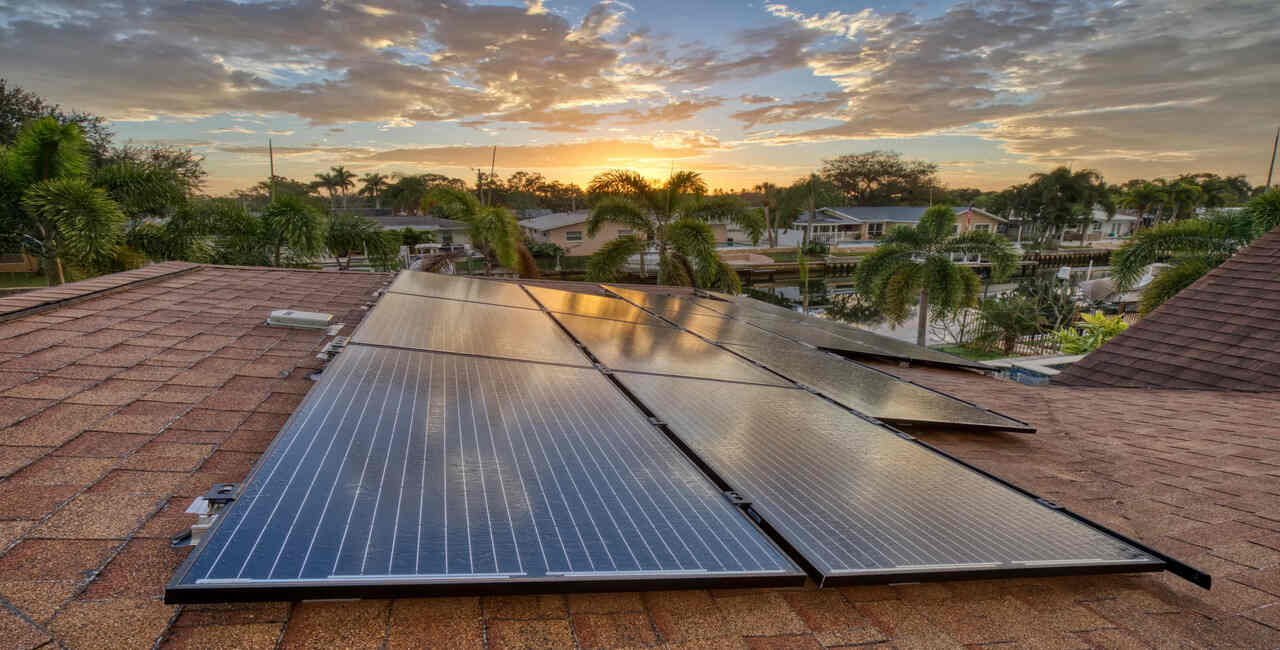
Solar businesses are adopting AI driven design tools because they help manage increasing customer demand and complex project requirements. AI allows companies to design faster and improve accuracy and reduce operational costs.
These benefits help installers scale their operations and improve customer satisfaction and maintain industry competitiveness. AI is not replacing solar designers but it is empowering them to focus on strategy and innovation and customer engagement.
The adoption of AI also supports sustainable growth and helps solar companies deliver reliable renewable energy solutions.
These advantages highlight why AI is becoming an essential component of modern solar design workflows.
1. What is AI solar design software and how does it help solar companies?
Ans. It is software that uses artificial intelligence to automate solar system design tasks and improve accuracy and reduce design time.
2. How does 3D solar modeling improve solar project planning?
Ans. It creates digital building models that help visualize panel placement and shading impact and system performance before installation.
3. What is automated PV layout and why is it important?
Ans. It automatically generates panel placement designs that maximize energy production and ensure installation compliance.
4. How accurate is AI shading analysis compared to manual analysis?
Ans. It uses advanced data algorithms and satellite imagery which often provides more detailed and reliable shading predictions.
5. What does solar design automation include?
Ans. It includes automated site evaluation and system sizing and layout generation and proposal creation to simplify project workflows.
6. Can small solar companies benefit from AI design tools?
Ans. Yes, because AI helps small teams manage more projects and improve design efficiency and compete with larger companies.
.png)
Artificial intelligence is transforming solar design workflows by improving speed and accuracy and project efficiency. AI-driven technologies such as 3D solar modeling and automated PV layout and AI shading analysis and solar design automation are helping solar companies manage complex projects and deliver better customer experiences.
Platforms like ARKA 360 help solar professionals achieve these goals by providing advanced solar design software that supports smarter and faster solar project development.

