


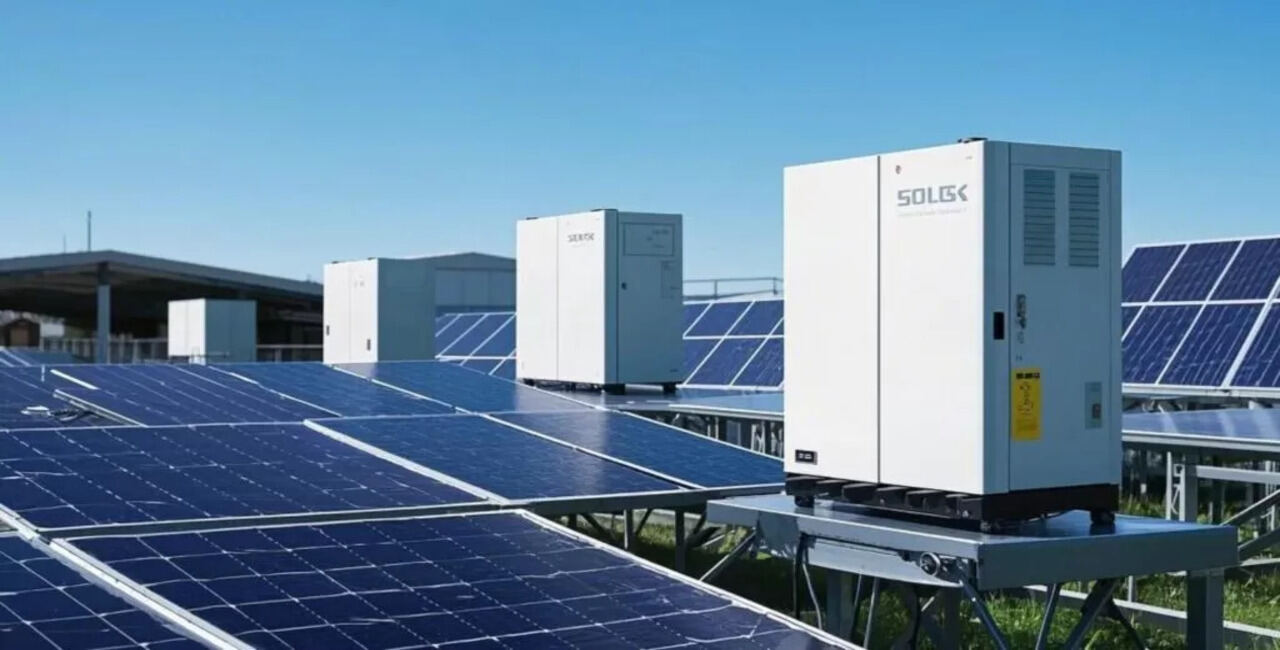
Next-generation inverters and monitoring systems now deliver per-module analytics, AI-assisted diagnostics, and high-frequency performance metrics. Solar design software must evolve to model these advanced behaviors accurately by integrating granular data into simulations, ROI forecasts and digital twins. Accurate performance modeling now depends on hardware-level intelligence instead of fixed assumptions.
The inverter has quietly transformed from a simple conversion device to the true brain of the PV system. It processes real-time data at a level of detail that was impossible just a few years ago and it guides how power flows from every module to the grid.
At the same time, monitoring technology is no longer optional. It is the core of modern system performance because it provides continuous insights, predictive maintenance signals and module level diagnostics. A solar project without monitoring is like a car with no dashboard.
Together, new inverter and monitoring innovations are pushing performance modeling into a new era. The role of software is shifting from simple energy estimates to intelligent simulations built on real-world behaviors. This evolution is critical to help EPCs model financial outcomes, optimize designs, and deliver confidence to lenders and customers.
The industry is moving rapidly away from tools that depend on static assumptions. Traditional modeling techniques relied on basic irradiance data, fixed derate factors, standard temperature assumptions and simplified behavior curves.
This older world was shaped by limited visibility. Engineers assumed average behavior instead of real behavior because there was no access to module-level and inverter-level data. Energy estimates were based on spreadsheets and generic curves. Differences between expected and actual production were accepted as normal. But customers and investors now demand accuracy.
The new expectation is performance modeling solar software that reflects live system conditions and intelligent inverter responses to shading, heat, panel mismatch, soiling and electrical imbalance. Performance prediction is shifting from a static calculation to a dynamic simulation.
EPCs depend on accurate pre-sales performance modeling to protect credibility. The cost of inaccurate estimates is no longer tolerable. It directly affects proposal close rates, system value perception and long term relationships with clients.
Financing partners and lenders now require highly precise performance forecasting before approving project funding. A difference of only two or three percent can determine whether a deal advances or dies.
The industry is positioned for a major shift. The next generation of performance modeling is built on intelligent data loops between hardware and software. The future of credibility and growth depends on adopting tools capable of matching real system behavior rather than assuming idealized performance.
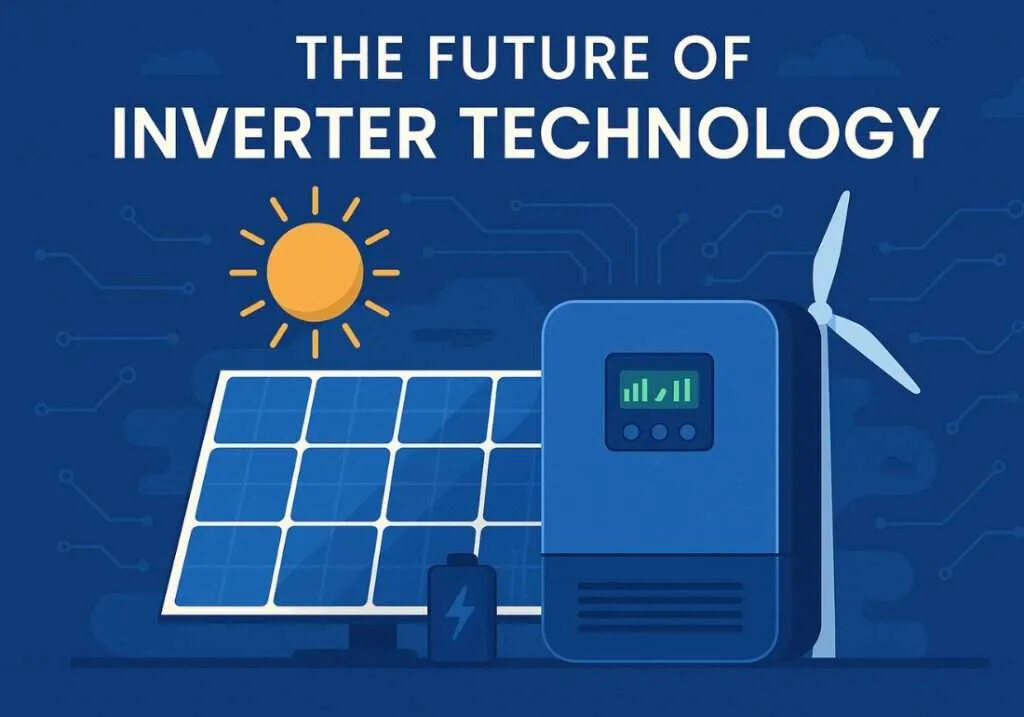
New inverter innovations are transforming how PV output is controlled, optimized and understood. Performance modeling must evolve to incorporate these behaviors.
Modern systems increasingly include next-generation power optimizers and microinverters that track detailed performance metrics for every module.
Instead of treating a string as a single unit, MLPE 2.0 produces per-module power curves with high resolution. It identifies real time loss factors such as mismatch, hotspots, shading patterns and soiling buildup.
This level of detail dramatically impacts performance modeling accuracy. By understanding how each module behaves, the system can maintain optimized power curves even under shifting environmental conditions.
Traditional static modeling fails to incorporate these granular effects. MLPE data now enables simulation tools to predict actual behavior rather than theoretical averages.
Maximum Power Point Tracking sits at the heart of system efficiency. Older inverters adjusted settings occasionally based on slow sample periods. Modern versions track and modify performance thousands of times per second.
In real installations, shading shifts minute by minute. Temperature fluctuations affect voltage and current. Cloud movement triggers steep power swings. High-frequency MPPT responses protect yield and reduce loss events.
Performance simulation must now account for dynamic MPPT curves instead of fixed conversion tables. This requires software capable of modeling the constantly evolving relationships between modules, strings and environmental variation.
Commercial and utility-scale designs rely on multi-input inverters that coordinate output from strings running under different conditions. They support parallel algorithms, rebalancing strategies and variable phase alignment.
This complexity must be represented in simulation frameworks. A single inverter may perform intelligent self-balancing that significantly affects production curves. Ignoring these behaviors produces inaccurate results.
Data now flows from the module to the string to the inverter and then to a cloud monitoring environment. Software must integrate that flow to build realistic system behavior predictions.
.png)
Monitoring has evolved from simple production tracking to an intelligent data infrastructure. It now drives predictive operations and performance optimization.
AI-driven monitoring systems detect subtle patterns that indicate module failure, string level issues, inverter drift or arc flash risks. These models analyze thousands of data points per second to recognize abnormalities before they become critical problems.
That early detection improves O and M efficiency and informs predictive simulation models that incorporate future risk.
Soiling curves change from site to site. Weather, geography and installation characteristics affect how fast buildup occurs and how quickly it reduces yield.
Modern monitoring uses thermal signatures, camera vision, and predictive ML to track degradation at micro levels. This supports proactive cleaning schedules and degradation-aligned performance modeling.
Instead of assuming average loss rates, real loss curves can now feed back into simulation and forecasting.
Inverter and monitoring platforms now integrate real time irradiance, wind direction, wind speed, humidity, panel surface temperature and ambient temperature. These signals improve modeling accuracy when used alongside production data.
Digital twins can now align real system conditions with designed models to continuously improve predictive accuracy.
Monitoring is no longer a passive record of energy generation. It has become the foundation of future design intelligence.
Even the most advanced hardware cannot improve financial outcomes if modeling tools cannot represent its behavior. Many EPCs still rely on performance modeling assumptions that are outdated.
Most tools use default derate values that ignore real inverter behavior. They do not factor dynamic MPPT tracking or module-level optimization.
Monitoring data is rarely sent back into design platforms, so models do not improve over time. EPCs are left with inaccurate estimates and rough projections that reduce trust.
Outdated assumptions create significant gaps between expected and actual production. This results in disputes, lower ROI, inaccurate O and M budgeting and difficulty securing financing.
To support industry growth, modeling accuracy must be rebuilt on real-world data rather than generic standards.
.jpg)
Modern systems require simulations that can mirror real inverter behavior. That includes responses to shading changes, temperature variability, rising soiling impact and MPPT curve adjustments.
Simulation must be predictive and dynamic instead of linear and static.
Each inverter model has its own transformer design, efficiency map, MPPT algorithm and electrical topology. These differences matter.
Performance modeling must import manufacturer data such as inverter efficiency curves and MPPT maps and simulate behavior uniquely for each component.
Monitoring data should refine future project simulations. Machine learning predictions create more reliable proposals and improve lender confidence.
Proposal stage alignment with real system monitoring reduces financial uncertainty and improves investor trust.
Digital twins allow comparison between modeled output and live system behavior. They also support predictive maintenance and yield optimization planning across long time periods.
Performance models must self-refine using monitoring history. This builds a continuously improving performance framework across all future installations.
An improvement of just between two and four percent in model accuracy translates into significant revenue gains over the lifetime of a system.
Better predictive certainty increases proposal close rates because customers trust the accuracy of expectations.
Lenders are more likely to approve financing when energy prediction models are proven and data is verified. Reduced uncertainty produces stronger contract terms and lower risk ratings.
Monitoring data aligned with design reduces performance disputes and warranty pressure. O and M predictions become strategic rather than reactive.
Smart modeling directly impacts the bottom line.
A next-generation modeling platform must include the following capabilities:
This is the new standard of performance modeling software design.
Q1: How do smart inverters improve performance modeling accuracy
They provide high-resolution performance curves at module and string levels and enable simulations to reflect dynamic responses rather than static estimates.
Q2: Can monitoring data be used to improve future proposals
Yes. Data feedback loops refine predictive accuracy and reduce financial uncertainty.
Q3: Are AI-based modeling tools reliable for commercial and industrial projects
AI models learn from real installation performance, which makes them highly effective at predicting long-term yield.
Q4: Do EPCs need digital twins for every project
Digital twins are increasingly essential for lifecycle planning, maintenance and performance comparison.
Q5: How does inverter-specific modeling reduce risk
It reflects true operational behavior, which enables realistic financial expectations and stronger investor confidence.
.png)
New inverter and monitoring innovations require a more intelligent level of simulation. Static estimates are no longer enough. The industry is moving toward complete data-driven performance intelligence supported by digital twins, predictive modeling, and inverter-level intelligence. Future competitiveness will depend on the adoption of platforms capable of matching real-world performance behavior.
Arka360 performance modeling software integrates inverter behavior simulation, real-time monitoring insights and digital twin alignment to deliver precise forecasts that help EPC teams design smarter, sell faster and operate more efficiently.
Request a demo to see how Arka360 brings next-generation performance modeling into your project workflow and positions your business for long-term success.

