


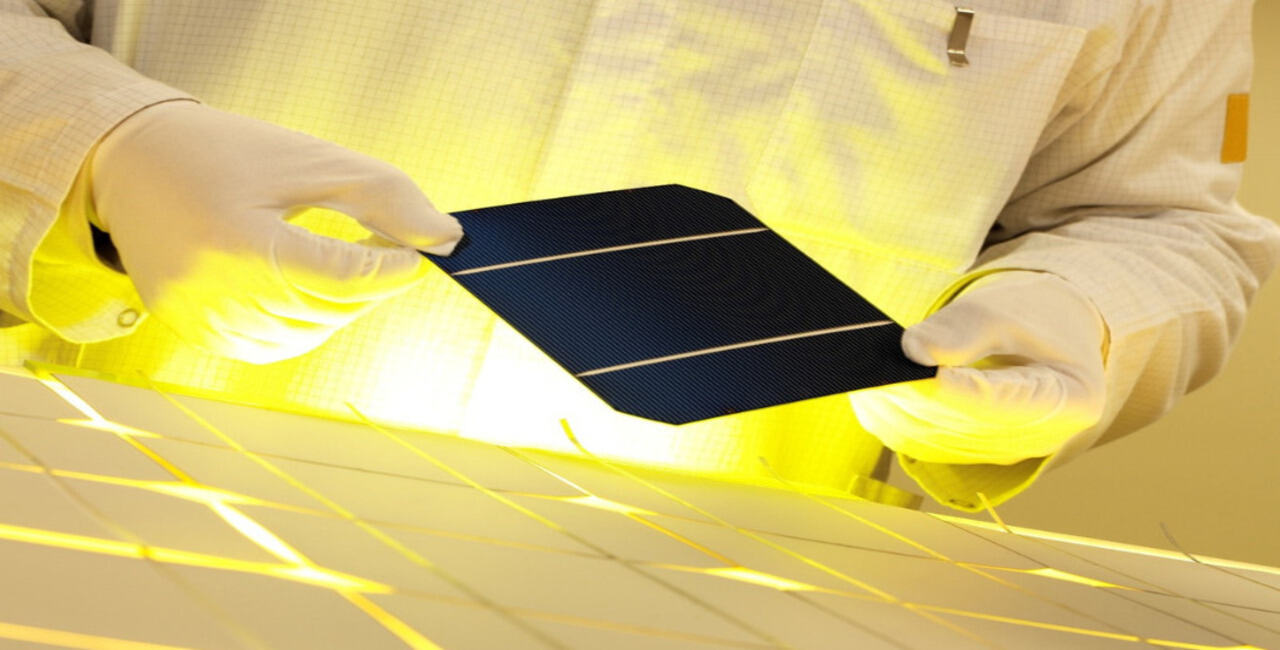
We hear about solar energy almost every day now. Homeowners are talking, businesses are investing and city planners are planning because solar has become a part of daily life.
Solar is moving into building windows and water bodies and flexible surfaces. It is becoming lighter and easier to fit into modern spaces without changing how they look or work.
As we look ahead many people are curious and they want to understand what the latest solar panel technologies are and how these changes will shape the future of clean energy.
Electricity prices are rising and climate concerns are increasing and governments are offering strong support for renewable energy. Because of this, solar is no longer optional for many people. It is becoming a practical and necessary choice.
However traditional solar panels have clear limits. They need large flat spaces and they add weight and they do not always match modern building designs. In crowded cities, finding space for solar is a real challenge. In rural areas land is often needed for farming which creates another conflict.
Because of these challenges, the solar industry is thinking differently. Instead of asking how to improve one panel, many researchers are asking how solar can fit into daily life more naturally. This change in thinking is driving innovation.
The focus is now on flexibility, appearance and usability along with efficiency. This is why new solar technologies are designed to work on glass curved surfaces and water bodies.
One of the most exciting ideas in solar today is transparent solar panels. This technology changes how we define a solar surface. Instead of adding panels on top of buildings, it allows buildings themselves to generate power.
Transparent solar cells work by capturing parts of sunlight that humans cannot see. Visible light passes through which keeps the glass clear. At the same time invisible light is absorbed and converted into electricity.
This means a window can still look and feel like a normal window while also producing energy. It does not block views and it does not darken the room.
The benefits of transparent solar cells are especially valuable in urban areas. Cities are full of glass buildings and skyscrapers and malls. These surfaces receive sunlight every day but they are usually not used for energy production.
Transparent solar panels solve this problem by turning unused glass into active energy surfaces. They also help preserve building design which is important for architects and developers.
Another benefit is scalability. One window may produce a small amount of power but when hundreds or thousands of windows work together the energy output becomes meaningful.
In the near future transparent solar panels are likely to appear in office buildings, airports, shopping centers and high rise apartments. They are also being tested in greenhouses where light is needed for plants.
As the technology improves and costs come down, transparent solar panels could become a common part of smart buildings and energy-efficient cities.
.png)
Flexible solar panels are another important development shaping the future of solar energy. These panels are designed to bend and adapt which makes them useful in places where rigid panels cannot be installed.
Flexible panels are thin and lightweight and easy to transport. They can be installed on curved surfaces and uneven roofs and even moving objects. This gives designers and installers much more freedom.
Because they weigh less, they reduce structural stress which is useful for older buildings and lightweight structures.
Flexible solar panels are already being used on boats, recreational vehicles and tents. They are also popular for portable power systems and temporary installations.
In remote areas flexible panels are easier to carry and install. In emergencies they can provide quick access to electricity without a complex setup.
As materials improve flexible solar panels will become more durable and more efficient. While they may not replace traditional panels everywhere they will expand solar into new spaces and new use cases.
This makes solar more accessible to people who previously could not install standard systems.
.jpg)
Land scarcity is a growing issue in densely populated regions. This is why floating solar photovoltaic systems are becoming more popular.
Floating solar systems place solar panels on platforms that float on water bodies like reservoirs, lakes and ponds. These platforms are designed to stay stable while supporting the panels.
The electricity generated is transmitted to the grid just like land-based systems.
Floating solar photovoltaic systems don’t use valuable land. This makes them ideal for areas where land is expensive or limited.
The water below helps cool the panels which can improve efficiency. At the same time the panels reduce water evaporation which is helpful for water management.
Many countries are installing floating solar systems on reservoirs used for drinking water and irrigation. These locations already have electrical infrastructure which makes development easier.
As experience grows floating solar photovoltaic systems will become more common and more cost effective.
Beyond design and placement solar technology is also evolving at the material level. Perovskite and thin-film innovations are helping improve efficiency and reduce costs.
Perovskite is a material that absorbs sunlight very effectively. Perovskite solar cells can be made using simpler manufacturing processes which can lower production costs.
They are often layered with silicon cells to create tandem panels. These panels capture more sunlight and generate more energy from the same area.
Thin film solar panels use very thin layers of material which makes them lightweight and flexible. They perform well in low-light and high temperature conditions.
While their efficiency is usually lower than that of traditional silicon panels, they are useful in many specific applications.
Perovskite and thin-film innovations are unlikely to fully replace silicon panels soon. Instead they will work alongside them and improve overall system performance.
These technologies give the industry more options and help solar adapt to different needs.
As solar panels become more diverse system design becomes more complex. Different surface materials and technologies require careful planning.
Accurate design helps avoid shading issues, improve energy output and reduce installation errors. It also helps communicate the system value clearly to customers.
Good solar design is essential for turning new technologies into real world success.
Q.1 What are the latest solar panel technologies?
Ans. They include panels that work on glass curved surfaces and water along with new materials that improve efficiency and reduce cost.
Q.2 Are new solar panel technologies in 2026 better than traditional panels?
Ans. New solar panel technologies 2026 focus on better design space saving and flexibility while traditional panels remain reliable.
Q.3 What are the benefits of transparent solar cells?
Ans. The benefits of transparent solar cells include using windows to generate power without blocking light or changing building design.
Q.4 Where are flexible solar panels commonly used?
Ans. Flexible solar panels are used on curved roofs, vehicles, boats and portable setups where rigid panels do not work well.
Q.5 Why are floating solar photovoltaic systems becoming popular?
Ans. Floating solar photovoltaic systems are popular because they save land and improve panel performance through water cooling.
.png)
The future of solar is not just about efficiency numbers. New solar panel technologies 2026 and beyond focus on flexible design and smart use of space.
From transparent solar panels that turn windows into power generators to flexible solar panels that adapt to unique surfaces and floating solar photovoltaic systems that save land and perovskite and thin-film innovations that push material science forward, the solar industry is entering a new phase.
ARKA 360 supports this shift by helping solar professionals design systems efficiently and present clear proposals. Using the right solar design software helps turn innovative ideas into successful solar projects.

