


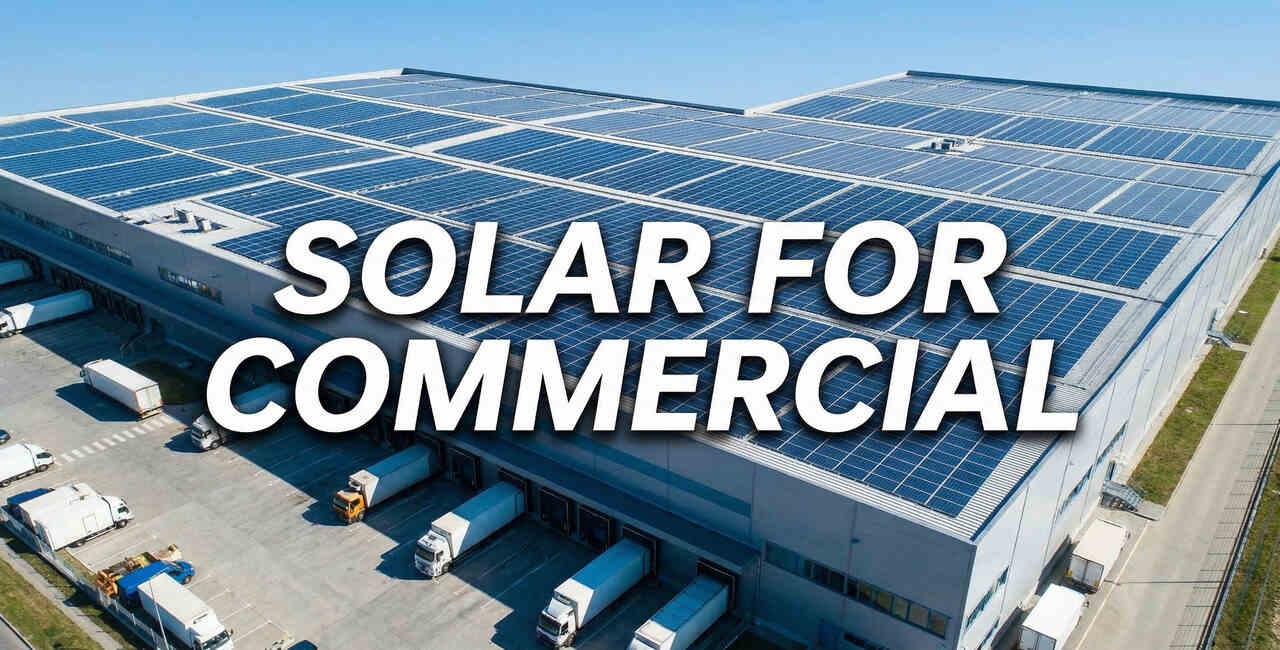
Pricing a commercial solar project is a careful balance between competitiveness and sustainability and it directly impacts whether your business grows or struggles.
In 2026, the solar market is more competitive and customers know better, so your pricing strategy needs to be smarter and more structured.
If you have ever felt unsure about how to quote the right number or if you have lost bids because your pricing was either too high or too low, this guide will walk you through everything you need to know.
We will break down the process in a simple and practical way so you can improve your commercial solar pricing, increase your solar project profitability and win better quality projects.
The solar industry has matured, and with that comes tighter competition and more informed clients. Businesses today compare multiple quotes, analyse returns, and expect transparency.
If your pricing is too high, you lose deals. If it is too low, you win projects but lose money. So the goal is not just to price low or high but to price smart.
Strong commercial solar pricing helps you:
And most importantly, it ensures consistent solar project profitability over time.
Before you can price a project profitably, you need to understand what goes into the cost. Many installers make the mistake of focusing only on equipment costs, but there is much more involved.
This includes:
Prices can vary depending on brand, quality and availability. Bulk purchasing can help reduce costs but market fluctuations still play a role.
Accurate system design is critical. Poor design leads to inefficiencies and rework.
Costs here include:
This is where accurate solar costing starts, because design decisions directly affect system size and performance.
Labour is a major component, especially in commercial projects.
You need to consider:
A complex rooftop or industrial setup can significantly increase labour costs.
Regulatory approvals vary by region and can include:
These costs are often underestimated but can affect timelines and pricing.
Your business expenses matter too:
Ignoring overheads leads to underpricing and lower margins.
.png)
One of the most important parts of pricing is understanding your margins. Many companies fail because they do not clearly define or track their margins.
EPC margin calculations help you determine how much profit you make after covering all costs.
A simple formula is:
Profit = Total Project Price minus Total Costs
Margin percentage = Profit divided by Total Price multiplied by 100
For example:
This is a simplified version, but it gives you a clear idea.
In 2026, typical EPC margins range between:
However, your ideal margin depends on your efficiency and positioning.
Improving solar project profitability is about optimising every part of your process.
Better designs reduce material waste and improve energy output. This helps justify your pricing to clients.
Buying in bulk or building strong supplier relationships can reduce costs significantly.
Faster installations mean lower labour costs and quicker project turnover.
Rework and mistakes eat into your profits. Accurate planning is essential for accurate solar costing.
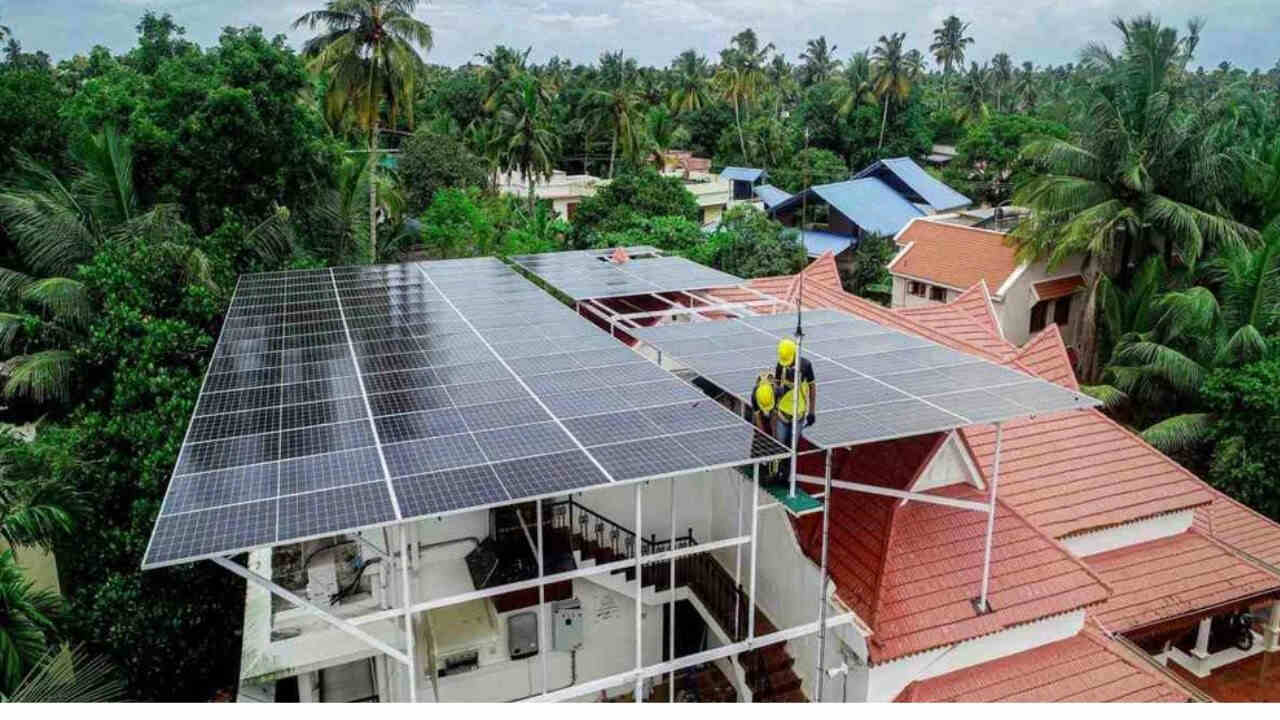
Many installers think the only way to win projects is by lowering prices. That is not true.
Smart companies focus on value instead of just cost.
Clients care about returns. Show them:
Break down your pricing clearly. This builds trust and makes your quote stand out.
Accurate energy generation estimates and performance projections can justify higher pricing.
Case studies and past projects help you win more rooftop solar bids without reducing margins.
If your costing is inaccurate, your pricing will always be flawed.
Accurate solar costing ensures that:
Avoiding these mistakes can significantly improve your solar project's profitability.
There is no one size fits all pricing strategy but some approaches consistently work better than others.
You calculate total costs and add a fixed margin.
This is simple but it can sometimes make you less competitive.
You price based on the value you deliver rather than just costs.
This works well when you offer premium quality or advanced solutions.
You analyse market rates and adjust your pricing accordingly.
This helps in winning more rooftop solar bids, but you need to ensure your margins are still healthy.
The biggest challenge in commercial solar pricing is finding the balance between winning projects and making profits.
Here is how you can achieve it:
In 2026, manual calculations will no longer be enough. Technology plays a crucial role in improving pricing accuracy.
Modern tools help you:
This directly improves both accurate solar costing and solar project profitability.

Even experienced professionals face challenges when pricing projects.
Market Price Pressure
Pricing a commercial solar project often feels like walking a tightrope because competition is intense and many players are willing to lower their prices to win deals. This creates constant pressure to stay competitive while still protecting margins. Over time, this balancing act becomes harder as aggressive pricing strategies start affecting overall profitability.
Changing Equipment Costs
Equipment costs rarely stay stable and that adds another layer of complexity. Prices for panels and inverters can shift due to external factors, which makes it difficult to finalise accurate quotes. This uncertainty can impact planning and force frequent adjustments during the sales process.
Complex Projects
Commercial solar projects come with a level of complexity that is hard to fully predict at the start. There are multiple moving parts involved, and each project tends to bring its own set of variables. This makes pricing less straightforward and requires careful consideration at every stage.
Client Expectations
There is always an expectation to deliver high quality systems at competitive prices. This creates ongoing pressure to optimise costs without compromising on performance. Managing these expectations while keeping the project financially viable is one of the biggest challenges in the pricing process.
Understanding these challenges helps you prepare better and refine your EPC margin calculations.
Let us simplify this with a real-world style example.
3.3 crore
20 percent
Around 4 crore
This is a simplified example, but it shows how EPC margin calculations and accurate solar costing come together.
Consistency is key to scaling your business.
Create a standard process:
This ensures every project follows the same structure and reduces errors.
Q. 1 What is commercial solar pricing and why is it important?
Ans. It is the process of calculating the cost and selling price of solar projects for businesses. It ensures you stay competitive and profitable at the same time.
Q. 2 How can I improve solar project profitability?
Ans. You can improve it by optimising design, reducing costs, and avoiding errors while maintaining efficient operations across projects.
Q. 3 What are EPC margin calculations?
Ans. These calculations help determine your profit after covering all project costs and ensure your business remains financially sustainable.
Q. 4 How do I win more rooftop solar bids without lowering prices?
Ans. Focus on value, provide clear ROI, and present transparent proposals so clients understand the benefits beyond just cost.
Q. 5 Why is accurate solar costing important?
Ans. It prevents underpricing or overpricing and helps you maintain consistent profits while avoiding unexpected financial losses.
Q. 6 What is a good margin for commercial solar projects?
Ans. Most projects aim for 10 to 30 percent depending on competition and project complexity, but it varies by business strategy.
.png)
Pricing commercial solar projects in 2026 requires more than just basic calculations. It demands a structured approach, attention to detail, and a strong understanding of costs and margins. When you focus on commercial solar pricing, improve your solar project profitability, and refine your EPC margin calculations, you set your business up for long term success.
At the same time, accurate planning and smart strategies help you win more rooftop solar bids without compromising on margins. And when you prioritise accurate solar costing, you reduce risks and improve overall efficiency.
To make this process even smoother, using a reliable solar design software like ARKA 360 can help you create precise designs, generate detailed proposals, and price projects with confidence while saving time and effort.

