


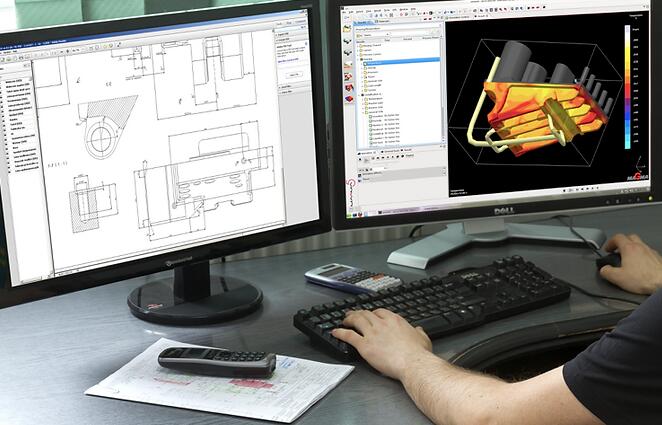
Cloud-based solar design tools are replacing old style CAD workflows because they offer faster modeling, real-time collaboration, built-in solar engineering logic and updates.
They also bring proposal creation into the same workspace so teams can move from design to delivery without switching between different tools.
What makes this shift even more important is that solar projects are changing. EPC teams handle more designs every week, clients expect faster proposals and remote collaboration has become the norm. Old desktop CAD systems are not built for this speed and teamwork, so they slow down the workflow.
Cloud tools solve these challenges with a smoother workflow that keeps everyone connected and reduces manual effort.
The solar industry is growing at a rapid rate. Homes, businesses and entire communities are turning to solar power. This means EPC companies are to adapt to work faster and deliver more designs in less time. Old systems can not support this pace anymore, and this is the biggest reason behind the shift from CAD to cloud-based solar systems.
The way solar projects are delivered has changed. Earlier, designers used CAD software designed for general construction drawings. These tools were good for blueprints and mechanical layouts, but they were never built for solar logic.
There is no built in understanding of sunlight, irradiance, shading, or electrical flow. Designers need to calculate every detail by hand. This slows down work and increases the chance of mistakes.
Cloud-based solar design tools have removed these issues. They bring solar intelligence into the system itself. Designers no longer need to measure shadows manually or create custom spreadsheets. Instead, the platform guides them with smart tools that understand how solar systems behave.
There is also a major shift in how teams work today. Many EPC companies now operate across different cities and even across different countries. Teams have become remote and flexible, and this is where CAD struggles. CAD depends heavily on local files and email attachments. Sharing work takes time and version control becomes a constant problem.
Cloud-based tools solve this because everything runs in one shared workspace. Team members can open the same project from anywhere and continue from the latest version. Everyone sees the same truth, and no one sends outdated attachments by mistake.
There is also growing pressure to send more proposals to customers. Solar companies compete fiercely today and customers expect quick answers. To handle this, EPCs need design platforms that connect directly to proposal creation. Cloud based platforms offer that connection. CAD does not.
All these changes show a clear shift. The future of solar design is cloud-based, fast, and collaborative, not slow and isolated.
Legacy CAD systems were once the standard for technical drawing. They were powerful for mechanical layouts and structural planning, but solar design has its own needs. This is where CAD struggles.
A CAD workflow depends on the designer for almost everything. If you want to outline a roof, you draw every line yourself. If you want to place panels, you arrange them manually. If you need stringing, you do the math by hand or use a separate tool. This demand for manual effort reduces speed, and it also increases the chance of errors.
CAD files are stored on local computers. So teams must email attachments back and forth. Designers end up working on different versions of the same file. No one is fully sure which file is final. Collaboration depends entirely on careful coordination. This slows down work as more people join the project.
When every detail is done manually, the final result changes based on who does the work. Even a skilled team will produce differences because each designer uses a slightly different method. This makes standardization difficult.
A CAD platform does not understand how solar panels behave. It does not understand shading or irradiance or how energy is generated across a day. It does not understand electrical flow or how to choose the right inverter. The designer must add all this knowledge manually. This is the biggest gap that slows down CAD-based solar design.
These challenges make it clear why CAD is no longer enough for modern solar work. The system is heavy, slow, manual, and disconnected from the needs of solar engineering.
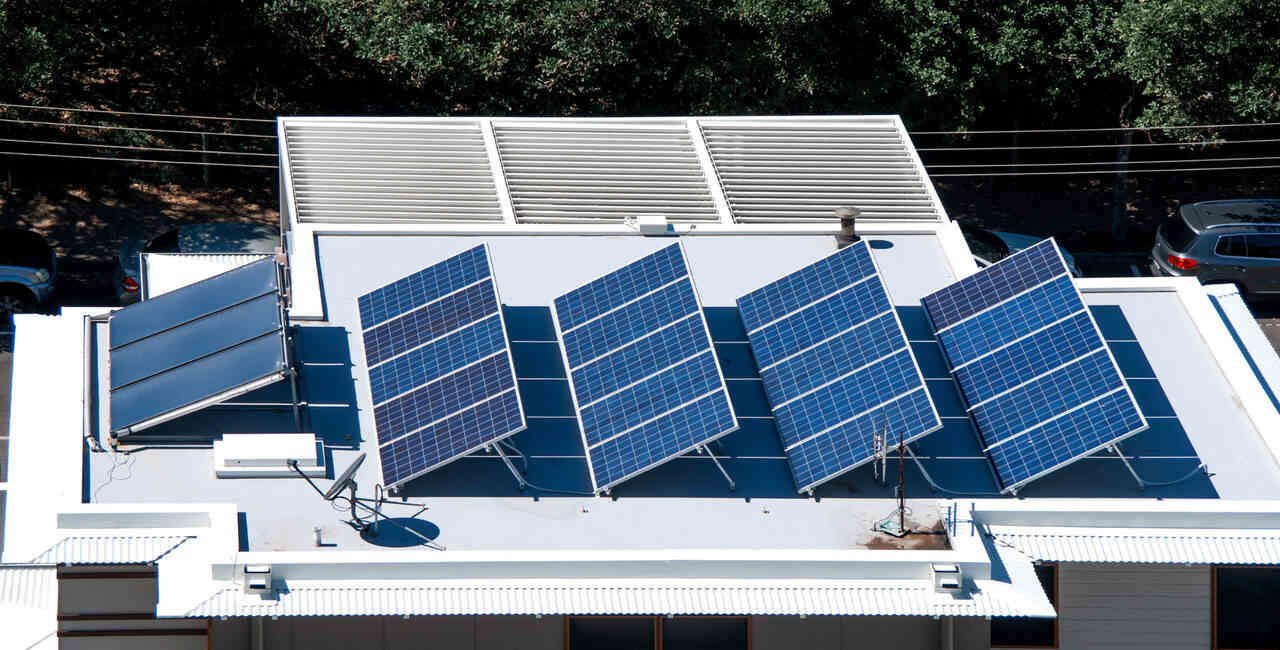
Cloud-based solar design tools were created specifically for solar work. They take the heavy work out of the hands of the designer and bring automation into every step. They also support teamwork in ways CAD never could.
In a cloud workspace, the entire team can join the same project. A sales person can adjust pricing while a designer updates the layout and an engineer checks the stringing. Everyone sees changes as they happen. There is no confusion about versions because there is only one version.
Local CAD tools need manual updates. In contrast, cloud-based systems update themselves. New fire codes, new module sizes, inverter changes, and other updates appear in the system automatically. This keeps every design accurate without extra effort.
Cloud platforms can measure shading, generate irradiance maps, and estimate energy automatically. They know how to place inverters and match strings. They know when a design violates safety code. This removes manual calculations and helps the designer focus on the actual project.
This is one of the biggest advantages. Cloud-based tools do not stop at the design. They move directly into proposal creation. Everything the designer creates flows into a beautiful proposal that can be shared instantly with the customer. This helps EPCs close deals faster and respond to more leads without adding more staff.
Cloud tools bring the entire workflow into one place. This makes modern solar work smoother and faster.
Speed is one of the biggest advantages when switching from CAD to cloud-based solar design tools. A task that takes hours in CAD takes minutes in a cloud platform. For companies that create several designs every day, the time savings accumulate quickly.
Accuracy also improves because cloud systems continue to learn and update. Each time the platform improves its engine, the designer benefits. In CAD, accuracy depends only on the person using the software.
Automation also reduces the number of mistakes. When stringing, inverter pairing, shading measurements, and energy estimation happen automatically, there is less chance of human error. This gives EPCs confidence in their designs and helps them move to installation faster.
Growing a solar company is difficult when you depend on manual processes. Cloud-based design platforms help companies scale without adding unnecessary load to the team.
Cloud systems allow companies to create templates and design rules. This means every designer produces work that follows the same process. The result is consistent and predictable.
Many EPCs now work across states and countries. Cloud platforms help them maintain one unified standard across all regions. A designer in India can work on the same project as a designer in the United States. This would be almost impossible with local CAD tools.
A new designer can learn a cloud platform much faster than a CAD system. CAD has a long and difficult learning curve. Cloud tools are more intuitive, and automated engineering logic helps beginners avoid mistakes. This makes hiring easier and allows companies to grow faster.
.png)
Even though cloud tools are taking over, there are still places where CAD makes sense. CAD is still helpful for complex mechanical detailing, custom racking work, or unique structural drawings. These tasks require the precision of a CAD system.
However, CAD is not ideal for everyday solar design. It is not suitable for high-volume proposals, it is slow for residential and commercial rooftop design, and it does not match the speed that modern solar business models need.
CAD works best when the project requires deep structural detailing. For everything else, cloud tools are the better choice.
When an EPC handles many projects each week, cloud platforms outperform CAD in almost every meaningful area. Cloud-based solar design tools are faster, more accurate, and easier for teams to use together. They support real-time collaboration, direct proposal generation, version control, enterprise permissions, and easy learning.
Desktop CAD is still useful for specific structural drawings. However, cloud platforms are better for design-to-proposal workflows, which make up most of an EPC's daily work.
.jpg)
Choosing the right cloud platform is important because it becomes the center of your design process. A good solar design platform should offer AI-supported layout tools, automatic stringing and inverter matching, a proposal builder, cloud collaboration, versions for every save, permission control for large teams, and a strong library of modules, inverters, and batteries. It should also connect smoothly with CRM or ERP systems.
Q.1) Are cloud tools accurate enough for commercial and industrial projects?
Ans) Modern cloud tools are accurate for both residential and commercial sites. Their engineering engines continue to improve with every update.
Q.2) Can cloud platforms replace CAD completely?
Ans) Not always. CAD is still needed for some complex structural work. But for everyday solar design, cloud tools are more practical.
Q.3) How does collaboration differ between CAD and cloud?
Ans) Cloud platforms allow several users to work on the same project at the same time. CAD limits users to local files.
Q.4) Do cloud tools work offline?
Ans) They usually need an internet connection because work is stored on the cloud.
Q.5) Are cloud tools secure?
Ans) Enterprise-grade cloud solar platforms use strong encryption and secure data storage.
.png)
Legacy CAD systems were never designed for solar projects. They slow down work, require heavy manual effort, and create barriers between teams. Cloud-based tools have replaced these limitations with automation, accuracy, smart engineering logic, and smooth collaboration. EPC companies that move to a cloud-first system will be the ones that grow faster in the coming years.
If you want to explore how cloud design can speed up your solar work, consider how modern platforms like ARKA 360 connect the entire process from design to proposal creation.

